preventable and curable
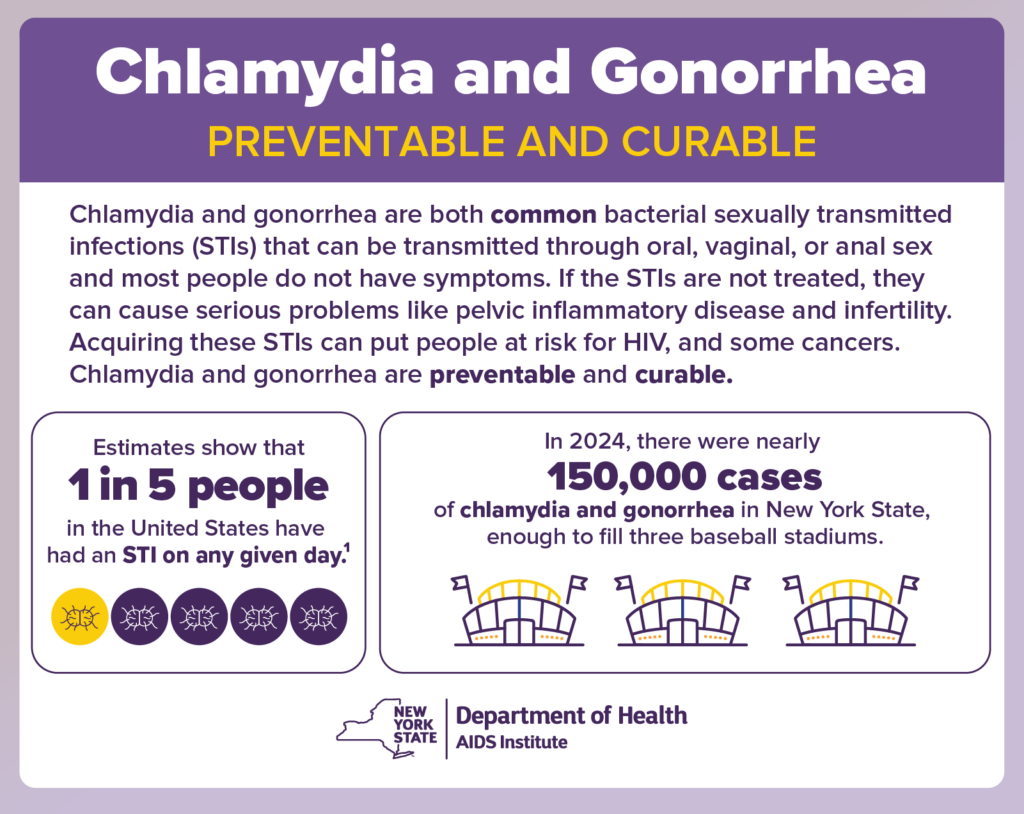
Chlamydia and gonorrhea infections are common; however, they are easily prevented and cured. A recent Data Insights on Sexual Health (DISH) from the New York State Department of Health (NYS DOH) Office of Sexual Health & Epidemiology (OSHE) brings further awareness to these two sexually transmitted infections (STIs).
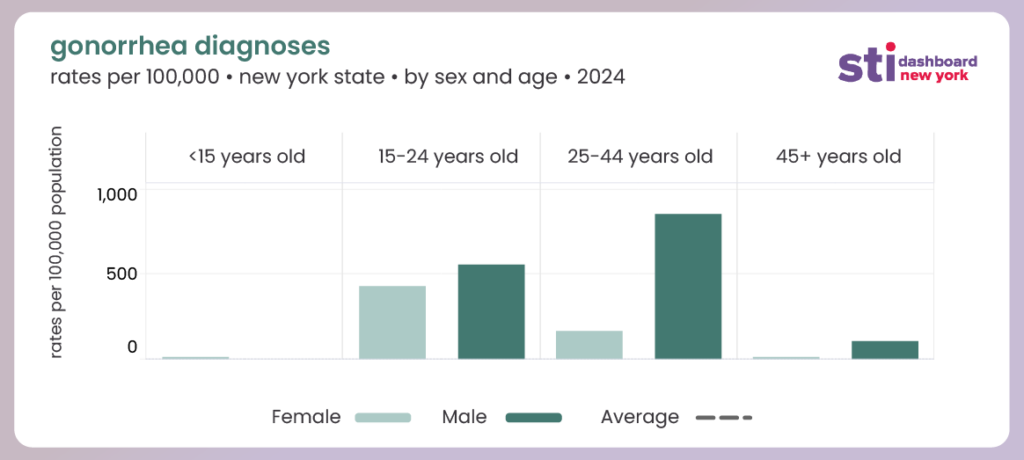
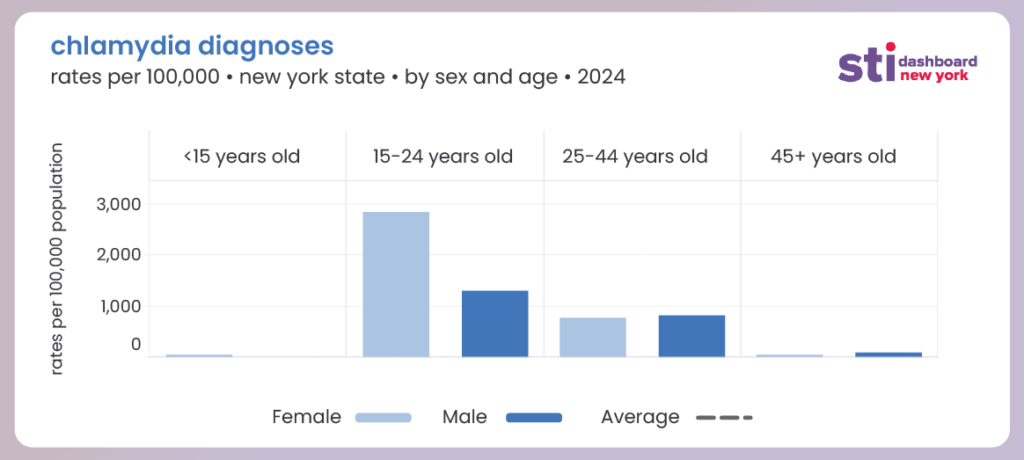
In New York State in 2024, there were 101,520 chlamydia and 44,965 gonorrhea diagnoses. Rates of diagnosed chlamydia and gonorrhea in New York State are higher than the national average. Females and those aged 15-24 years have higher rates of chlamydia diagnoses, while gonorrhea is diagnosed at a higher rate among males and is currently highest among those aged 25-44, followed by those aged 15-24.
Though these infections are common, if left untreated, chlamydia and gonorrhea can lead to pelvic inflammatory disease or infertility, and increase the risk of acquiring HIV or developing certain cancers.
prevention
The DISH highlights the following key prevention efforts:
- Regular STI testing for individuals and their sex partners. Testing is the only way to know if someone has a chlamydia or gonorrhea infection, because people do not always experience symptoms.
- Use condoms during any anal, vaginal or oral sex.
- If condomless sex does occur, speak to a healthcare provider about Doxycycline Prophylaxis (Doxy-PEP) to reduce the risk of developing an infection.
treatment
Treatment can cure chlamydia and gonorrhea infections, and it is recommended that individuals are retested after treatment. In New York State, Expedited Partner Treatment (EPT) aims to make accessing treatment easier by allowing sex partners of someone diagnosed with an STI to be treated without a visit to the clinic.
To explore these facts and more, view OSHE’s chlamydia and gonorrhea DISH
OSHE’s previously published DISHes cover a range of topics, including the rising trends in syphilis, the potential impact of static federal funding, understanding and preventing mpox, racial and ethnic disparities in STI diagnoses, and the syndemic of STIs, HIV, viral hepatitis, and substance use.
Stay tuned to the STI Dashboard Blog for future spotlights on sexually transmitted infections in New York State.